
Most offices go through stacks of paper every day, yet the difference between 70gsm and 80gsm paper is often overlooked. While both are commonly used for everyday printing, the choice between them can affect everything from print quality and durability to long-term printing costs.
For businesses managing high volumes of documents, even a small difference in paper weight can impact efficiency and presentation. Choosing the right option is not just about thickness — it is about selecting the most suitable paper for your specific printing needs.
This guide breaks down the key differences between 70gsm vs 80gsm paper, helping you decide which paper weight works best for office printing and daily business use.
Table of Contents
- What Does GSM Mean in Printing Paper?
- How Paper Weight Affects Print Quality and Cost
- 70gsm Paper Explained: When Should You Use It?
- Common Uses of 70gsm Paper
- 80gsm Paper Explained: Why It Is the Office Standard
- Common Uses of 80gsm Paper
- 70gsm vs 80gsm Paper: Side-by-Side Comparison
- Comparing A4 70gsm and 80gsm Paper for Daily Use
- A4 Paper 70 GSM
- A4 80gsm Paper
- How to Choose Between 70gsm and 80gsm Paper
- Ensuring a Consistent Supply of Office Printing Paper
- Final Thoughts
What Does GSM Mean in Printing Paper?
When selecting paper for office use, one of the most important factors to consider is paper weight for printing, commonly measured in GSM (grams per square metre). GSM stands for grams per square metre, which refers to how much a sheet of paper weighs based on its size. In practical terms, a higher GSM usually indicates thicker and more substantial paper.
This measurement is often used to compare paper thickness in GSM, helping organisations determine the right balance between cost, durability and print quality. For example, understanding A4 paper thickness in GSM helps businesses choose between lighter and heavier paper options based on their printing needs.
Many businesses compare 70gsm vs 80gsm paper when deciding which option is more suitable for everyday office printing, as both are widely used for common business documents. Choosing the right office printing paper GSM can make a noticeable difference in both cost and document quality.
How Paper Weight Affects Print Quality and Cost

Paper weight plays an important role in how documents look, feel and perform during printing.
Lighter paper can help reduce costs when printing in large volumes, while heavier paper tends to provide better durability and a more professional appearance. Paper weight can also influence how well ink sits on the surface and whether double-sided printing results in show-through.
Businesses often consider paper weight alongside their printing needs when sourcing printing paper, especially when balancing cost efficiency with presentation quality. For example, internal documents may prioritise volume and cost savings, while client-facing materials typically benefit from slightly thicker paper.
For organisations planning their printing requirements, you may explore our printing paper products available in 70gsm, 80gsm and 90gsm, depending on your preferred balance between cost, durability and print quality.
70gsm Paper Explained: When Should You Use It?
70gsm paper is considered a lightweight option and is commonly used for high-volume printing where cost control is important.
Because it uses slightly less material, it is generally more economical for organisations that print frequently.
Common Uses of 70gsm Paper
Typical applications include:
- internal office documents
- draft printing
- training materials
- internal memos
- bulk printing tasks
For day-to-day internal use, 70gsm paper is often sufficient and helps keep printing costs manageable.
80gsm Paper Explained: Why It Is the Office Standard
80gsm paper is widely regarded as the standard choice for office printing due to its balance between durability and cost.
It offers a slightly thicker and sturdier feel compared to 70gsm paper, which improves the overall presentation of documents.
Common Uses of 80gsm Paper
80gsm paper is commonly used for:
- reports and formal documents
- letters and correspondence
- invoices and contracts
- presentations
- external business materials
For most organisations, 80gsm paper provides a reliable everyday option that maintains a professional standard without significantly increasing costs.
70gsm vs 80gsm Paper: Side-by-Side Comparison
The key difference between 70gsm and 80gsm paper lies in thickness, durability and overall feel.
| Feature | 70gsm Paper | 80gsm Paper |
|---|---|---|
| Thickness | Thinner | Slightly thicker |
| Cost | Lower | Slightly higher |
| Durability | Lower | Higher |
| Print Quality | Good | Better |
| Common Use | High-volume printing | Standard office documents |
While both are suitable for everyday use, 80gsm paper is generally preferred when document quality and presentation matter more.
For many organisations, 80gsm is considered the best paper for office printing when balancing cost, durability and presentation.
Comparing A4 70gsm and 80gsm Paper for Daily Use
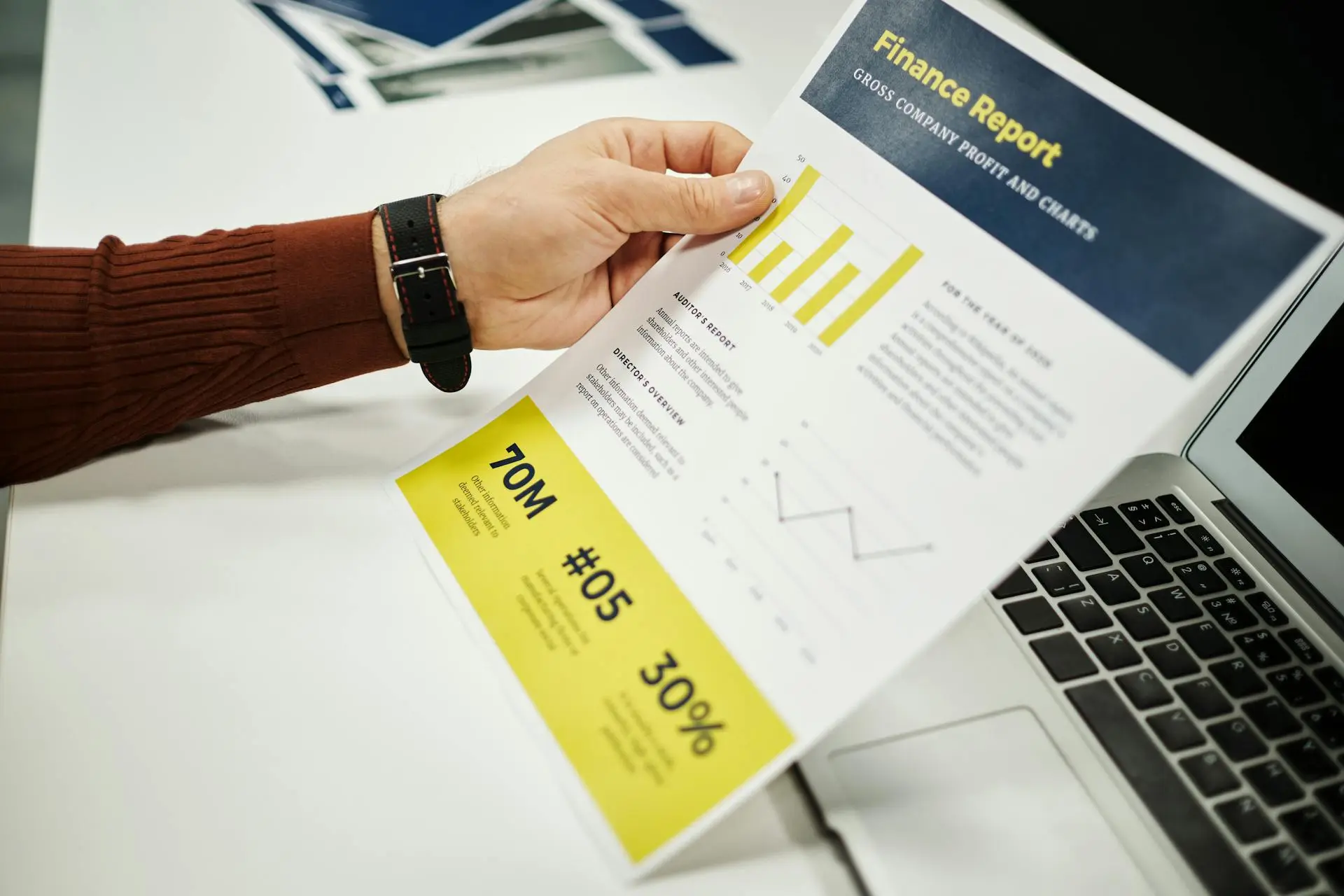
Most offices rely heavily on A4 paper size, making it the most relevant format when comparing paper weights.
A4 Paper 70 GSM
A4 paper 70 gsm is typically used for:
- internal drafts
- training documents
- high-volume printing
- internal circulation materials
For businesses that require a clearer understanding of dimensions and printing applications, you may refer to our guide on A4 paper size to explore how this format is used in everyday office printing.
A4 80gsm Paper
A4 80gsm paper is commonly preferred for office printing due to its improved thickness and durability.
It is widely used for:
- reports and proposals
- contracts and official documents
- invoices and client-facing materials
If you are working with different document formats, you may also explore our guides on A3 paper size and A5 paper size to understand when each size is most suitable.
For most organisations, A4 80gsm paper offers the best balance between cost, usability and presentation.
How to Choose Between 70gsm and 80gsm Paper
Choosing the right paper weight depends largely on how the documents will be used.
A common question businesses ask is what GSM paper for printing is most suitable for their needs, especially when balancing cost and quality.
For instance,
- 70gsm → internal drafts and high-volume printing
- 80gsm → reports, contracts and client-facing documents
Many workplaces keep both options available, allowing teams to select the most appropriate paper depending on the purpose of each print job.
If you are comparing different formats alongside paper weight, you may also find it helpful to read our A3 vs A4 vs A5 paper size comparison guide to better understand which option suits your printing needs.
Frequently Asked Questions
Below are some frequently asked questions about A3, A4 and A5 paper sizes, including their differences and common use cases.
What is the difference between A3 and A4 paper size?
A3 paper is twice the size of A4, offering more space for visuals, charts and layouts. It is commonly used for presentations, while A4 is used for standard documents and everyday printing.
What is the difference between A4 and A5 paper size?
A4 is larger and ideal for reading and detailed documents, while A5 is smaller and better suited for flyers, booklets and portable materials.
Which paper size is best for printing flyers?
A5 is often the preferred choice for flyers because it is compact, cost-effective and easy to distribute. However, A4 may be used when more content or visual space is required.
What is the standard paper size for office use?
A4 is the standard paper size used in most offices worldwide for printing reports, letters, contracts and other everyday documents.
If you have more questions about paper sizes and printing, you may explore our FAQ page for additional answers and guidance.
Finding the Right Paper Supplier for Your Business

For organisations that rely on regular printing, having a dependable paper supplier helps ensure daily operations run smoothly without disruption.
WholesaleSupplies.sg provides commonly used options such as A4 70gsm and 80gsm copy paper, suitable for businesses sourcing A4 copier paper wholesale or managing ongoing office supply needs.
If you are planning your office requirements, you can explore our printing paper products to find suitable options based on your usage and budget.
Reliable supply starts with the right partner — WholesaleSupplies.sg.
Final Thoughts
Understanding the difference between 70gsm and 80gsm paper allows organisations to choose the most suitable option based on their printing needs. While 70gsm paper is useful for high-volume internal use, 80gsm paper remains the preferred standard for everyday office documents due to its durability and professional appearance.
Choosing the right paper weight ensures your documents not only look better, but also perform reliably across daily operations.
If you are sourcing paper for your business, contact WholesaleSupplies.sg and our team will be ready to assist with your requirements.