Singapore’s humid climate creates ongoing moisture-related challenges for homes and businesses. When exploring humidity control options, one of the most common comparisons is refrigerant vs desiccant dehumidifier systems.
While both approaches help reduce humidity, they operate differently and are suited to different environments. Understanding these differences helps homeowners and businesses choose a more suitable humidity control solution.
If you are exploring practical humidity control products, you may browse our moisture absorbers and disposable dehumidifier range to compare options designed for different environments.
Table of Contents
- Why Comparing Refrigerant and Desiccant Systems Matters
- What Is a Refrigerant Dehumidifier?
- What Is a Desiccant Dehumidifier?
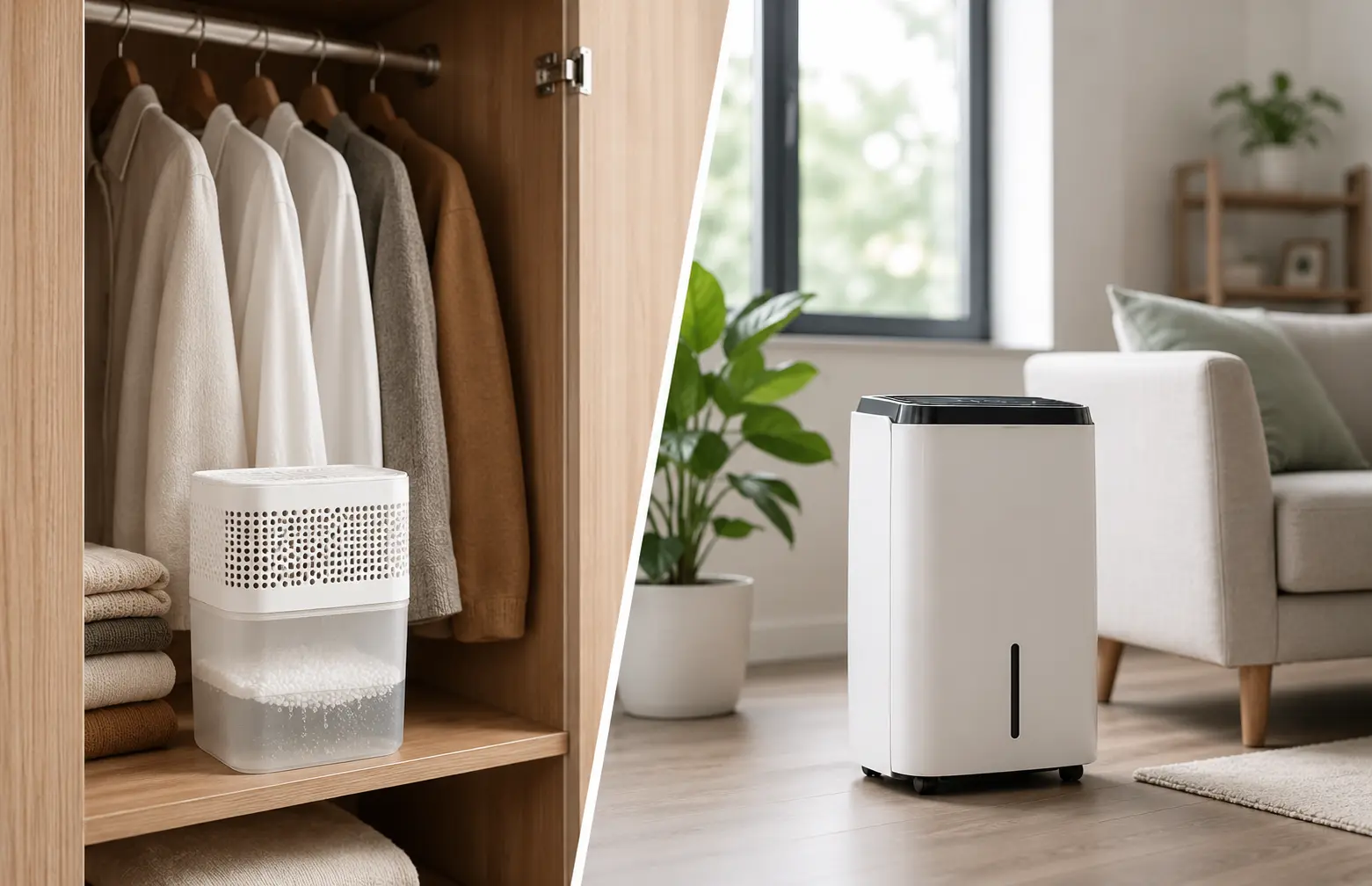
- Refrigerant vs Desiccant Dehumidifier: Main Differences
- Which Humidity Control Approach Works Better in Singapore?
- Common Uses for Refrigerant Dehumidifiers
- Common Uses for Desiccant Dehumidifiers
- Common Mistakes When Choosing a Humidity Control Solution
- Supporting Reliable Humidity Control in Singapore
- Final Thoughts
Why Comparing Refrigerant and Desiccant Systems Matters
Not all humidity control solutions operate in the same way. Refrigerant and desiccant systems use different moisture removal methods and are often suited to different environments.
Understanding these differences helps homeowners and businesses choose a more suitable humidity control approach based on factors such as room size, airflow, storage requirements and moisture levels.
If you are exploring humidity control options, you may browse our dehumidifier Singapore solutions to compare products designed for different operational and residential environments.
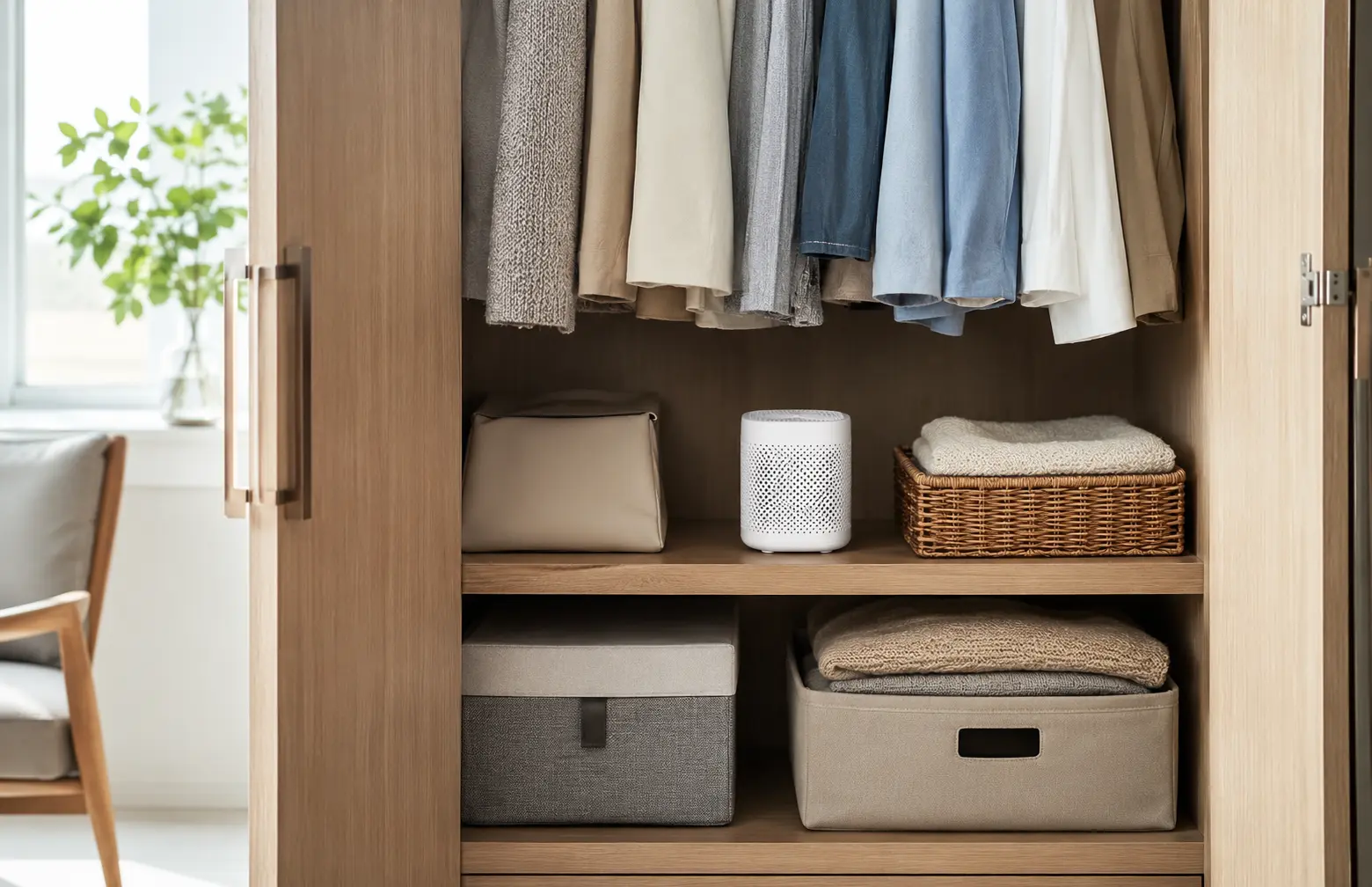
For smaller enclosed spaces such as wardrobes and cabinets, targeted options such as a desiccant dehumidifier may provide more focused humidity absorption and moisture management.
What Is a Refrigerant Dehumidifier?
Refrigerant dehumidifiers remove moisture by cooling humid air and condensing water vapour into liquid form.
The process generally works as follows:
- Humid air is drawn into the unit
- The air passes through cooled coils
- Moisture condenses into water droplets
- Water is collected in a tank or drainage system
- Drier air is released back into the room
These systems are commonly used for:
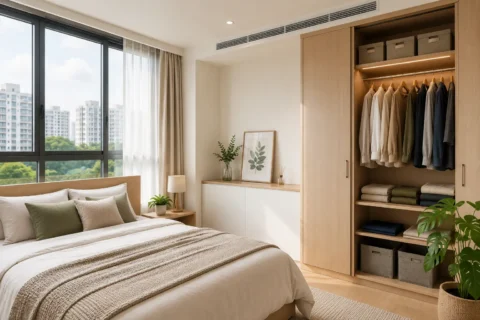
- bedrooms
- offices
- living rooms
- larger indoor environments
Refrigerant systems are generally more suitable when broader room-wide humidity reduction is required.
If you would like a deeper explanation of how humidity control systems operate, you may also explore our guide on how dehumidifiers work to better understand the moisture removal process.
What Is a Desiccant Dehumidifier?
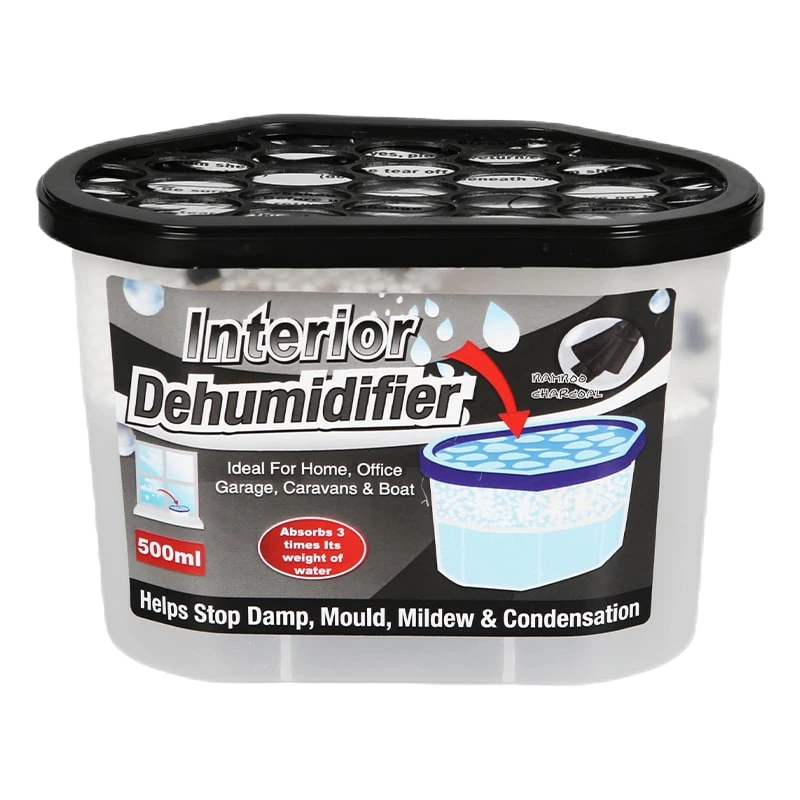
Desiccant systems use moisture-absorbing materials to remove humidity from the air rather than relying on cooling mechanisms.
Instead of condensing moisture through refrigeration, desiccant materials absorb moisture directly from humid air.
These systems are commonly used in:
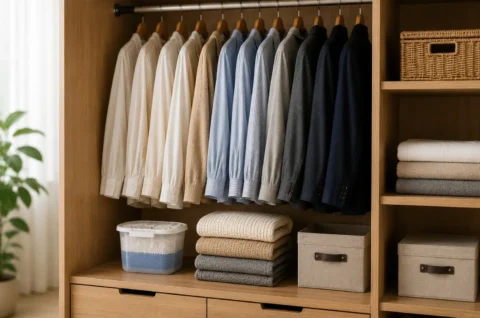
- wardrobes
- cabinets
- enclosed storage spaces
- shoe racks
- compact rooms
Desiccant-based humidity control is often preferred for enclosed environments where targeted moisture absorption is required.
For compact humidity control in wardrobes and enclosed storage spaces, you may also explore our wardrobe humidity control solution designed for targeted moisture absorption.
Refrigerant vs Desiccant Dehumidifier: Main Differences
Although both systems help reduce humidity, there are important differences between them.
Common Uses for Desiccant Dehumidifiers
Desiccant systems are often more effective in smaller enclosed environments where targeted moisture absorption is required
Wardrobes and Cabinets
Wardrobes frequently trap moisture because of:
- limited airflow
- enclosed storage conditions
- fabric storage
Excess humidity may contribute to:
- mould growth
- damp clothing
- musty odours
Compact moisture control solutions may help reduce these issues more effectively in enclosed spaces.
If you are specifically exploring humidity control options for enclosed storage environments, you may also refer to our wardrobe dehumidifier Singapore guide.
Shoe Cabinets
Shoe cabinets commonly accumulate trapped moisture in humid environments such as Singapore.
Targeted humidity absorption may help reduce damp odours and moisture accumulation.
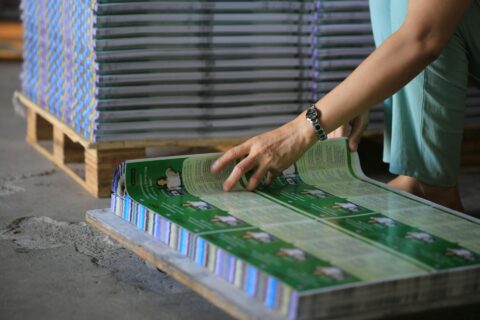
Document Storage Areas
Businesses storing:
- printed materials
- files
- paper documents
may benefit from maintaining lower humidity levels to reduce moisture-related deterioration.
Humidity exposure can affect paper durability and print quality over time. If you regularly manage office printing materials, you may also explore our guide on 70gsm vs 80gsm paper to better understand how environmental conditions affect printing performance.
Storage and Archive Areas
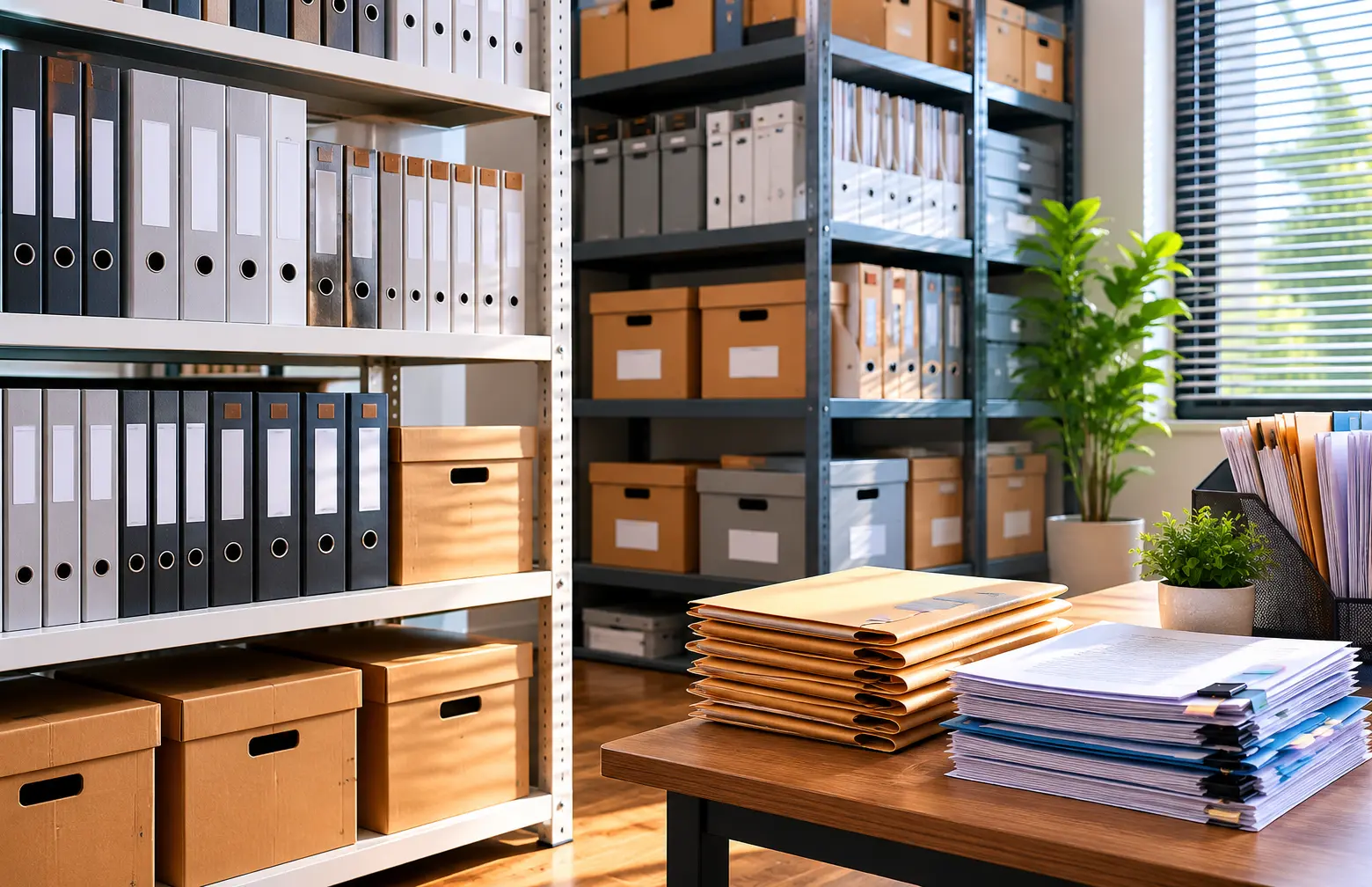
Storage areas containing files, printed materials and archived records are often vulnerable to humidity-related deterioration. Excess moisture may contribute to paper warping, mould growth and reduced material lifespan over time.
Targeted desiccant-based humidity control solutions are commonly used in enclosed storage environments where maintaining more stable moisture levels is important for long-term material protection.
Moisture Removal Method
Refrigerant Systems
- cool humid air
- condense water vapour
- collect extracted moisture
Desiccant Systems
- cool humid air
- condense water vapour
- collect extracted moisture
Best Environment
Refrigerant Systems
More suitable for:
- larger rooms
- open indoor spaces
- continuous room humidity control
Desiccant Systems
More suitable for:
- wardrobes
- cabinets
- enclosed storage spaces
- smaller moisture-prone areas
Portability
Compact desiccant systems are usually easier to position inside:
- wardrobes
- cabinets
- enclosed storage areas
Larger refrigerant systems are typically designed for wider room coverage.
Operational Focus
Refrigerant Systems
- broader humidity reduction
- room-wide moisture control
Desiccant Systems
- targeted moisture absorption
- enclosed-space humidity management
Which Humidity Control Approach Works Better in Singapore?
Singapore’s tropical environment creates year-round humidity, making both approaches relevant depending on the environment involved.
Refrigerant Systems in Singapore
Larger refrigerant-based systems are commonly used for wider room humidity control, particularly in bedrooms, offices and living spaces where airflow is present.
These systems are often preferred when continuous room-wide humidity reduction is required.
Desiccant Dehumidifier
Desiccant dehumidifiers are highly useful for:
- wardrobes
- enclosed storage spaces
- cabinets
- shoe storage areas
Many households use desiccant-based systems because enclosed spaces in Singapore frequently trap moisture due to limited ventilation.
These targeted solutions are often more practical for compact humidity management. For a broader comparison of humidity control options across different environments, you may also refer to our best dehumidifier Singapore guide for more insights on the ideal dehumidifier for you.
If you are exploring broader humidity control options for enclosed environments, you may browse our dehumidifier Singapore solutions to compare products designed for different operational and household needs.
Common Uses for Refrigerant Dehumidifiers
Refrigerant systems are commonly used for wider humidity control across larger indoor spaces. These systems are generally selected when room-wide moisture reduction is required rather than targeted humidity absorption within enclosed storage environments.
Bedrooms
Bedrooms commonly experience overnight humidity build-up and condensation.
A room dehumidifier designed for continuous operation may help improve comfort while reducing moisture accumulation.
Offices
Office environments often contain:
- electronics
- paper documents
- printers
- operational materials
Excess humidity may contribute to discomfort and material deterioration over time.
Larger Indoor Areas
Living rooms and wider indoor spaces generally benefit from broader humidity reduction across larger airflow areas.
Common Mistakes When Choosing a Humidity Control Solution
Many humidity-related issues occur because the wrong type of moisture control approach is selected.
Using Large Systems for Small Enclosed Spaces
Wardrobes and cabinets usually do not require large room-wide refrigerant systems.
More targeted moisture absorption solutions are often sufficient.
Ignoring Ventilation Conditions
Poorly ventilated areas trap moisture more easily and may require different humidity management approaches.
Focusing Only on Capacity
Larger systems do not always mean better suitability.
Choosing based on:
- environment
- airflow
- room usage
- operational needs
usually produces more effective results.
Overlooking Maintenance
Some humidity control systems require:
- water emptying
- maintenance
- component replacement
These operational considerations should also be evaluated when selecting long-term solutions.
Desiccant Dehumidifier Solutions for Singapore Homes and Businesses

Many humidity-related problems in Singapore occur within wardrobes, cabinets, shoe storage areas and other enclosed environments where airflow is limited and moisture becomes trapped over time.
For these situations, desiccant dehumidifier solutions often provide a practical and targeted approach to moisture control. Their compact design makes them particularly suitable for protecting clothing, stored items, printed materials and household belongings from excess moisture.
At WholesaleSupplies.sg, we provide practical humidity control solutions designed for both residential and commercial environments. If you are exploring suitable options, you may browse our moisture absorbers and disposable dehumidifiers to compare products designed for different moisture management requirements.
For wardrobes, cabinets and other enclosed storage spaces, our desiccant moisture absorbers provide targeted humidity control where broader room-wide systems may be unnecessary.
Final Thoughts
Refrigerant systems are commonly used for broader room-wide humidity reduction in larger indoor spaces. However, many humidity-related problems in Singapore occur within wardrobes, cabinets, shoe storage areas and enclosed storage environments where airflow is limited and moisture becomes trapped over time.
In these situations, desiccant dehumidifier solutions often provide a more practical and targeted approach to humidity control. Their compact design makes them particularly suitable for enclosed environments where protecting clothing, stored items, printed materials and household belongings from excess moisture is a priority.
Contact us via WhatsApp if you would like personalised recommendations for your wardrobe, storage space, office or home environment.