Singapore’s humidity levels remain high throughout the year, and many homes and businesses experience issues such as mould, condensation, and musty indoor air as a result.
A dehumidifier works by drawing in humid air, removing moisture, and releasing drier air back into the space. This helps reduce humidity levels and prevents problems such as damp conditions and material damage.
In this guide, we explain how dehumidifiers work, when they are needed, and how to choose the right solution for different environments in Singapore.
Table of Contents
- Understanding Humidity in Singapore’s Indoor Environments
- Reliable Humidity Control for Homes and Businesses
- How Does a Dehumidifier Work? (Step-by-Step)
- Why Dehumidifiers Are Important in Singapore
- Do You Need a Dehumidifier in Singapore?
- Dehumidifier Types: Refrigerant vs Desiccant
- Choosing the Right Dehumidifier
- Supporting Reliable Humidity Control for Everyday Spaces
- Final Thoughts
Understanding Humidity in Singapore’s Indoor Environments
Singapore’s tropical climate leads to consistently high indoor humidity levels. Over time, excess moisture can cause condensation, musty odours, and mould growth.
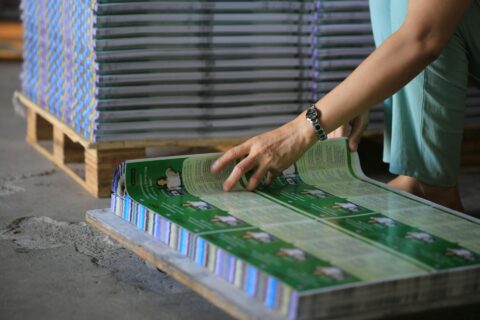
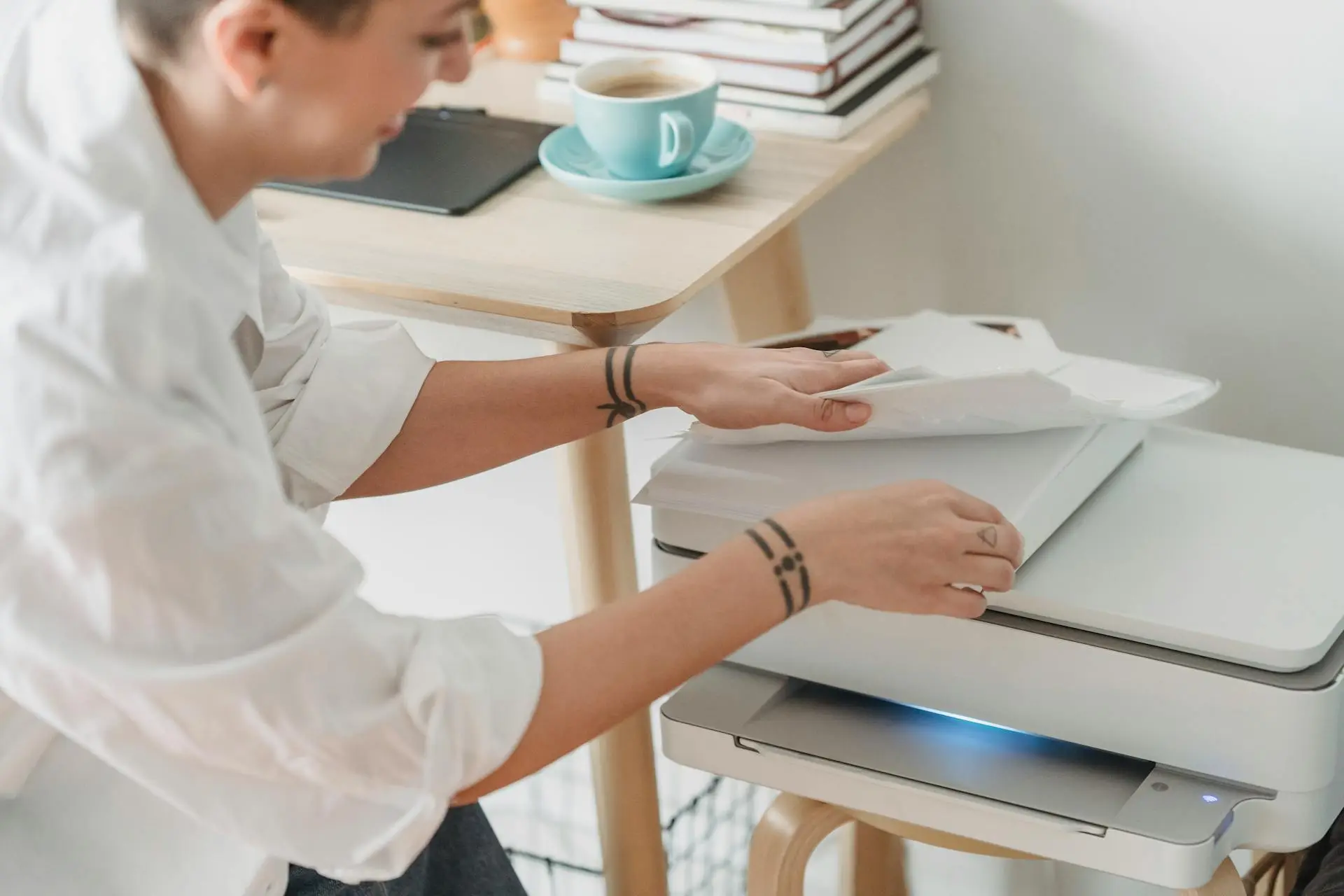
These conditions also affect materials such as wood, fabrics, electronics, and paper products. For businesses handling documents or printed materials, moisture can lead to warping, curling, and reduced print quality.
If you manage printed materials regularly, you may refer to our guide on 70gsm vs 80gsm paper for office printing to better understand how humidity affects performance.
Because of these risks, many households and organisations rely on a dehumidifier in Singapore to maintain more stable indoor conditions.
Reliable Humidity Control for Homes and Businesses
Humidity control is an ongoing requirement, not a one-time fix. Maintaining stable conditions helps protect materials, reduce maintenance issues, and improve comfort across different environments.
At WholesaleSupplies.sg, we support both homes and businesses by providing practical humidity control solutions tailored to different use cases.
For larger areas such as rooms and offices, you may explore our range of dehumidifier in Singapore solutions designed for continuous moisture control.
For smaller or enclosed spaces, targeted solutions such as desiccant-based systems provide a more focused approach.
How Does a Dehumidifier Work? (Step-by-Step)
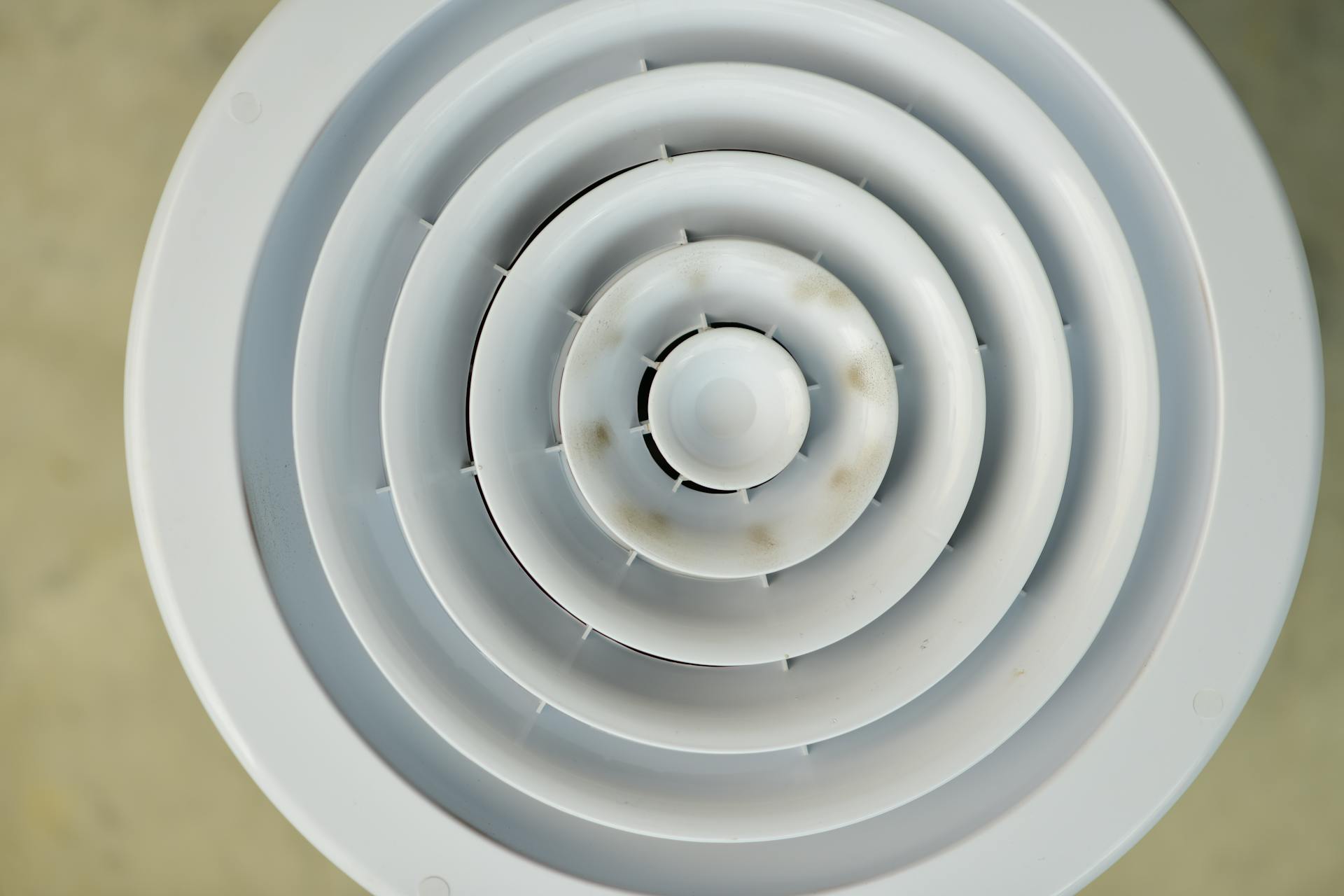
Different dehumidifier systems operate using slightly different mechanisms, but the overall process follows the same principle — removing excess moisture from humid air and maintaining a more stable indoor environment. Understanding how this process works helps individuals and businesses choose a more suitable humidity control solution for their specific space and operational needs.
1. Air Intake
A fan draws humid air into the unit, allowing it to circulate through the system.
2. Moisture Removal
Depending on the type of dehumidifier, moisture is removed in different ways:
- Refrigerant models cool the air to condense moisture into water
- Desiccant models absorb moisture using specialised materials
3. Water Collection
The extracted moisture is collected in a tank or directed through a drainage system.
4. Dry Air Release
The air is then released back into the environment in a drier state, gradually reducing overall humidity levels.
Why Dehumidifiers Are Important in Singapore
High humidity levels make moisture control an important part of maintaining indoor environments in Singapore.
Preventing Mould Growth
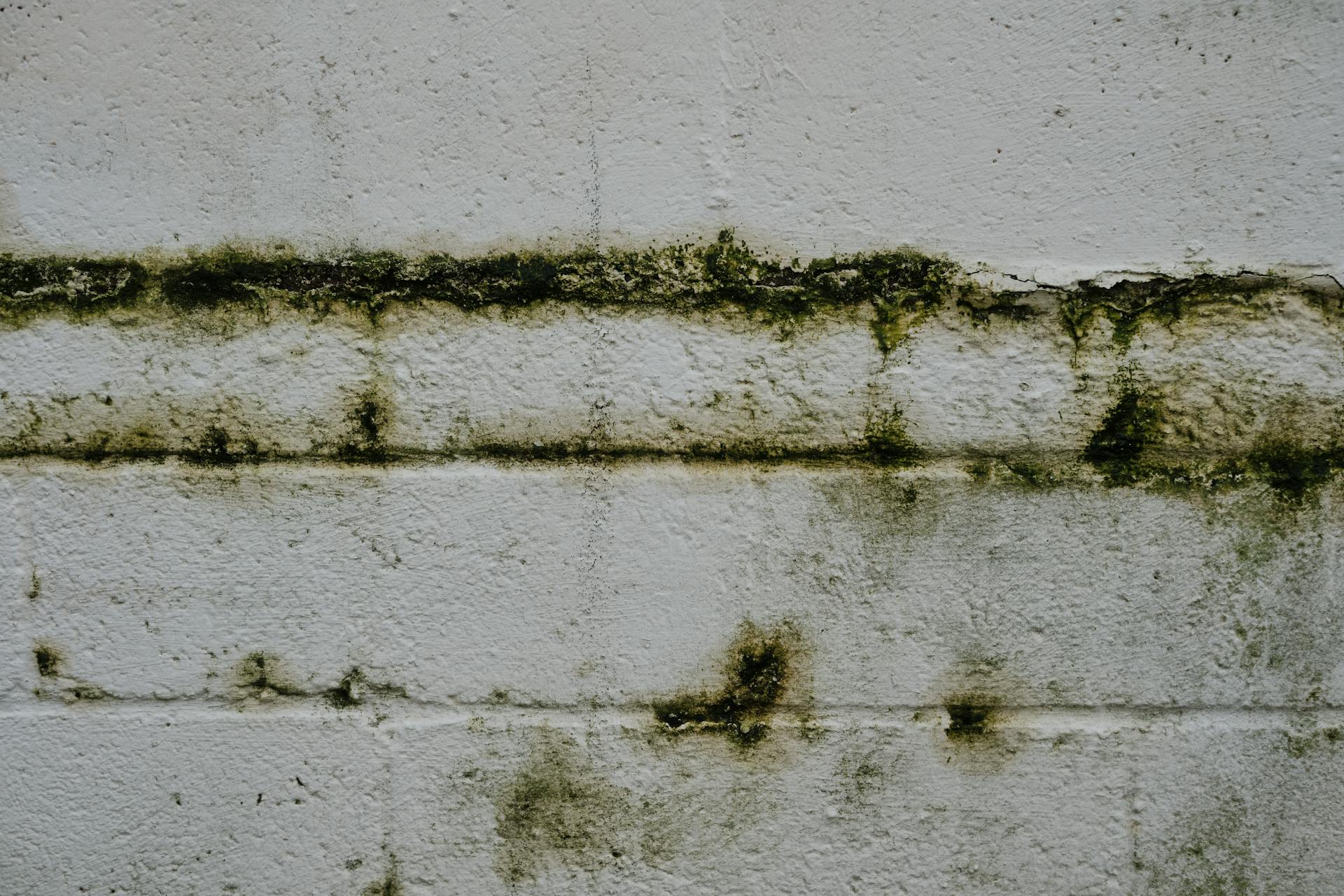
Lower humidity reduces the likelihood of mould forming on walls, ceilings, and furniture. If mould has already started becoming a concern, you may also explore our guide on how to prevent mould in Singapore homes.
Protecting Materials and Equipment
Excess moisture can damage wood, electronics, fabrics, and paper-based materials.
For businesses managing printed materials, proper storage conditions are important. You may also explore our A4 paper price and bulk buying guide to understand how environmental factors affect usage and cost.
Improving Indoor Comfort
Higher-quality paper can reduce paper jams, improve print clarity and support smoother operations over time.
Maintaining Air Quality
Lower moisture levels help minimise musty odours and improve overall air quality. Some workplaces also use air fresheners for offices to enhance indoor conditions.
Do You Need a Dehumidifier in Singapore?
Different environments require different approaches to humidity control.
Larger Spaces
Rooms such as bedrooms and offices benefit from continuous humidity control using a dehumidifier in Singapore. Common warning signs include condensation, musty odours and damp materials. You may also refer to our guide on signs of high humidity in Singapore homes to identify these issues early.
Enclosed Areas
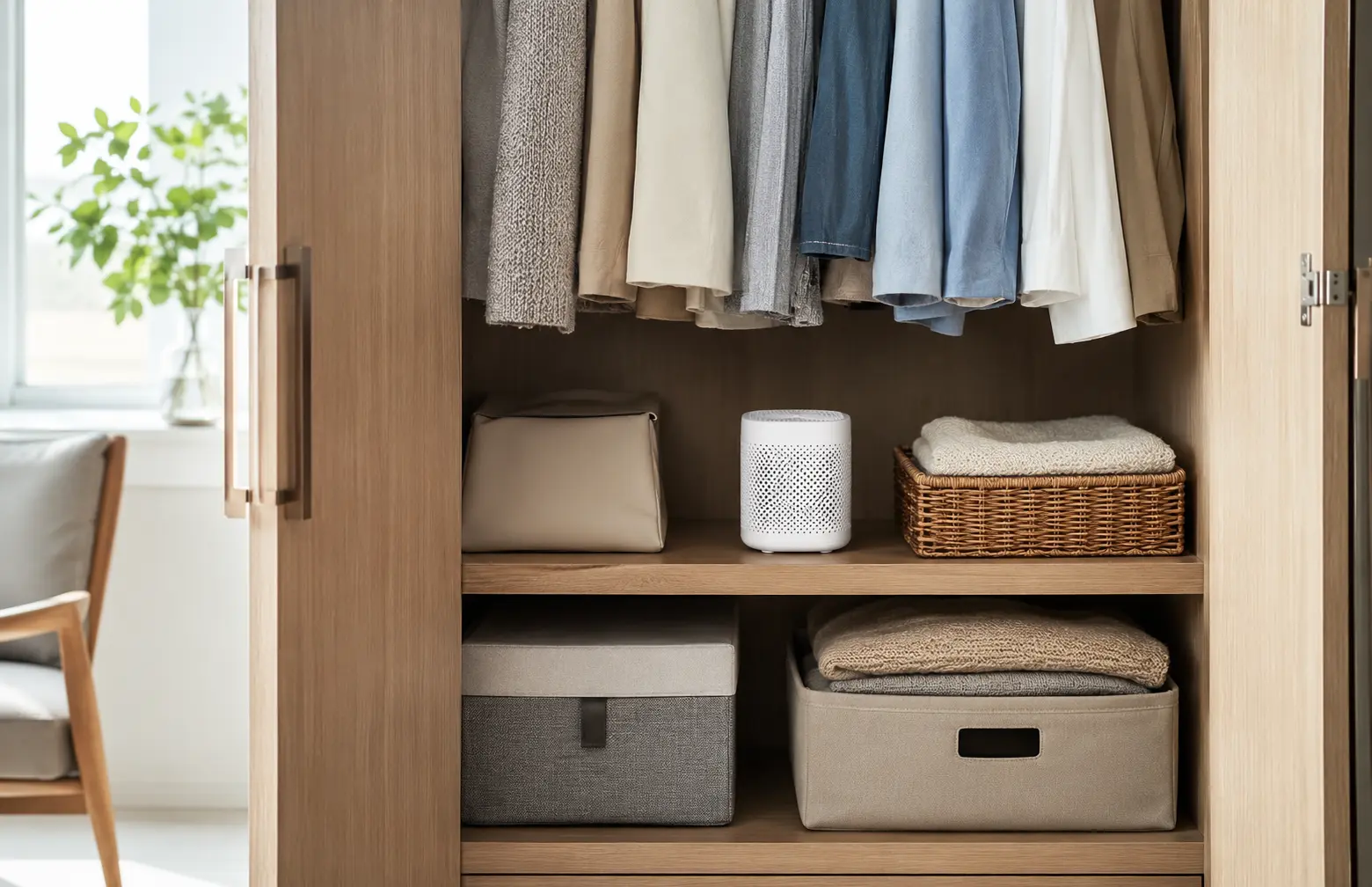
Wardrobes, cabinets, and storage spaces often trap moisture. These areas benefit from targeted solutions such as desiccant-based systems. For compact humidity control in wardrobes, cabinets and enclosed storage spaces, you may also explore our desiccant dehumidifier options designed for targeted moisture absorption.
Mixed Environments
Some setups benefit from combining solutions across different spaces.
For a deeper comparison, you may refer to our upcoming guide on desiccant vs refrigerant dehumidifiers to better understand which technology is more suitable for different environments.
Dehumidifier Types: Refrigerant vs Desiccant
Dehumidifiers can be broadly grouped into two main types: refrigerant-based and desiccant-based systems.
Refrigerant dehumidifiers remove moisture by cooling air and condensing water vapour. These are commonly used in larger spaces where continuous airflow is present.
Desiccant dehumidifiers use moisture-absorbing materials to extract humidity from the air. They are effective in enclosed or lower-temperature environments and are often used for more targeted humidity control.
If you are exploring humidity control solutions, you may browse our range of dehumidifier in Singapore, including desiccant-based options designed for both residential and commercial use.
For more targeted applications such as wardrobes or enclosed spaces, you may also consider a desiccant dehumidifier designed for compact and consistent moisture control. If you are primarily managing humidity in wardrobes, cabinets or storage areas, you may also explore our wardrobe dehumidifier Singapore guide for practical moisture control recommendations.
Choosing the Right Dehumidifier
Selecting the right dehumidifier depends on how the space is used and the level of humidity control required.
Room Size
Larger areas require higher-capacity units.
Tank Capacity
Bigger tanks reduce the need for frequent emptying.
Portability
Portable units allow flexibility across different spaces.
Energy Efficiency
Energy-efficient models help manage long-term operating costs.
For a more detailed selection approach, you may explore our guide on how to choose the best dehumidifier in Singapore.
Supporting Reliable Humidity Control for Everyday Spaces

Managing humidity is an ongoing requirement for many homes and businesses in Singapore. Having the right solution in place helps prevent moisture-related issues and supports more stable indoor conditions.
At WholesaleSupplies.sg, we provide practical humidity control solutions, including dehumidifiers for larger spaces and desiccant-based systems for targeted environments. For smaller enclosed areas such as wardrobes and storage cabinets, compact moisture control solutions may also provide a practical everyday option.
If you are exploring suitable options, you may browse our range of moisture absorbers and disposable dehumidifier range designed for different use cases.
Choosing the right setup allows you to manage humidity more effectively across different environments — especially as operational needs evolve and spaces become more complex to maintain.
Final Thoughts
Understanding how does a dehumidifier work helps individuals and organisations make better decisions when managing indoor humidity.
In Singapore’s climate, maintaining proper humidity levels improves comfort and protects materials from long-term damage. Selecting the right type of dehumidifier ensures more effective control across different environments.
As operational needs grow, having a reliable supply partner ensures consistency in maintaining indoor conditions across different environments. To explore suitable humidity control solutions for your space, you may contact WholesaleSupplies.sg today via WhatsApp and our team will be ready to support your requirements.