Singapore’s humid climate creates ongoing moisture control challenges for both homes and businesses. Excess humidity can contribute to mould growth, condensation, musty odours and damage to stored materials over time.
While larger room dehumidifiers are commonly used in homes and offices, enclosed environments such as wardrobes, cabinets and storage spaces often require a more targeted approach. If you are exploring practical humidity control products, you may browse our moisture absorber and disposable dehumidifiers to compare options for different environments.
This guide explains how a desiccant dehumidifier Singapore solution works, where it is most effective and how it helps support long-term moisture control.
Table of Contents
- What Is a Desiccant Dehumidifier?
- Why Desiccant Humidity Control Is Popular in Singapore
- Choosing the Right Desiccant Dehumidifier for Your Environment
- Where Desiccant Dehumidifiers Work Best
- Common Problems Desiccant Systems Help Address
- Desiccant vs Larger Room Dehumidifiers
- Choosing the Right Desiccant Dehumidifier
- Supporting Long-Term Moisture Control
- Final Thoughts
What Is a Desiccant Dehumidifier?
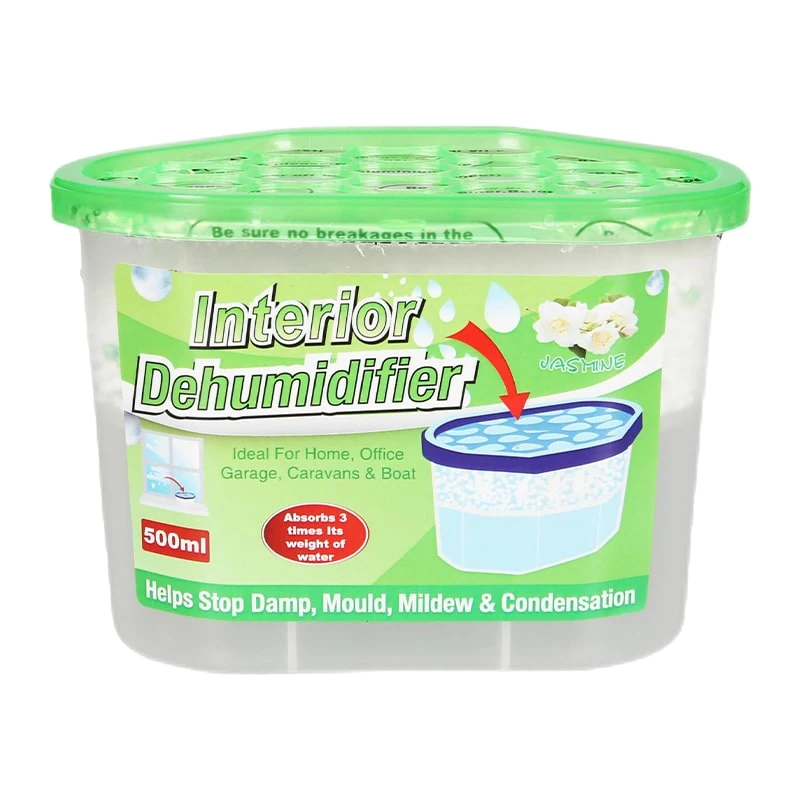
A desiccant dehumidifier removes moisture using specialised moisture-absorbing materials rather than cooling air.
As humid air comes into contact with the desiccant material, moisture is absorbed and retained, helping reduce humidity levels within the surrounding environment.
Because of this design, desiccant systems are often used in:
- wardrobes
- storage cabinets
- enclosed shelving
- document storage areas
- compact storage environments
If you would like a broader explanation of humidity control technologies, you may also refer to our guide on how dehumidifiers work.
Why Desiccant Humidity Control Is Popular in Singapore
Singapore experiences consistently high humidity throughout the year. Even when larger rooms appear comfortable, moisture often becomes trapped inside enclosed spaces.
Common examples include:
- wardrobes
- cabinets
- storage rooms
- utility cupboards
- document storage areas
Because these environments typically have limited airflow, humidity can gradually accumulate over time.
Many of the warning signs discussed in our guide on signs of high humidity in Singapore homes first appear inside enclosed storage areas before becoming noticeable elsewhere.
As a result, targeted humidity management often becomes more practical than relying solely on room-wide systems.
Choosing the Right Desiccant Dehumidifier for Your Environment
Many organisations and households require ongoing humidity management to protect materials, equipment and stored belongings.
WholesaleSupplies.sg supports homes and businesses across Singapore by providing practical humidity control solutions suitable for both larger environments and enclosed storage applications.
If you are exploring moisture management options for different environments, you may browse our dehumidifier in Singapore solutions to compare products designed for different operational requirements.
For enclosed environments where humidity becomes concentrated, a desiccant dehumidifier often provides a simpler and more targeted solution.
Where Desiccant Dehumidifiers Work Best
Different humidity control solutions are designed for different environments.
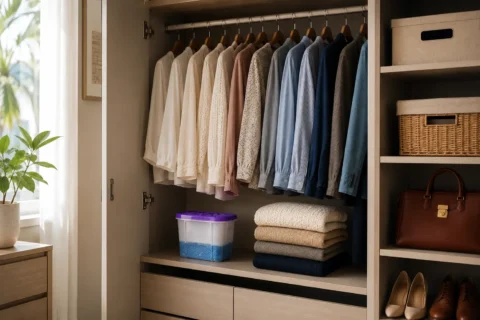
Wardrobes and Clothing Storage

Wardrobes commonly trap moisture because of:
- limited airflow
- enclosed conditions
- fabric storage
Over time, trapped humidity may contribute to:
- musty odours
- damp clothing
- mould formation
- material deterioration
This is one reason many homeowners explore wardrobe dehumidifier Singapore solutions when managing moisture inside enclosed storage areas. If you are dealing specifically with wardrobe humidity, you may also refer to our wardrobe dehumidifier Singapore guide for more targeted moisture control strategies.
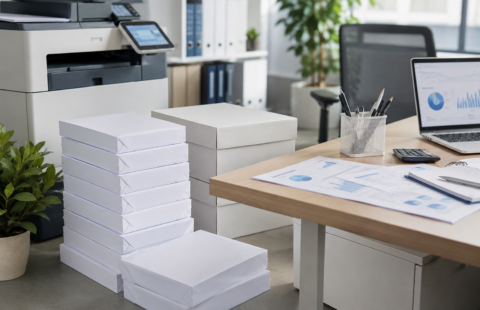
Document and Paper Storage
Humidity can affect:
- paper documents
- printed materials
- archives
- office records
Excess moisture may contribute to curling, warping and deterioration over time.
Businesses that regularly manage printed materials often benefit from maintaining more stable storage conditions.
Storage Cabinets and Shelving
Storage cabinets frequently contain items that are sensitive to moisture exposure.
Examples include:
- electronics
- collectibles
- books
- important records
Targeted moisture absorption helps reduce the likelihood of humidity-related damage developing over time.
Common Problems Desiccant Systems Help Address
While a desiccant dehumidifier does not eliminate every humidity problem, it can help reduce conditions that commonly contribute to moisture-related issues.
Damp Odours
Persistent musty smells often indicate trapped moisture inside enclosed environments.
Mould Growth
Humidity is one of the primary conditions that supports mould formation.
If mould prevention is already becoming a concern, you may also explore our guide on prevent mould Singapore homes.
Condensation
Some enclosed environments experience moisture accumulation on surfaces when humidity levels remain elevated.
Material Deterioration
Long-term moisture exposure may affect:
- fabrics
- paper
- leather goods
- stored belongings
Managing humidity helps support better long-term storage conditions.
Desiccant vs Larger Room Dehumidifiers
A common misconception is that all humidity problems require large room dehumidifiers.
In reality, the most effective solution often depends on the environment.
Larger Room Systems
Typically used for:
- bedrooms
- offices
- living spaces
- wider indoor environments
Desiccant Systems
Typically used for:
- wardrobes
- cabinets
- storage spaces
- enclosed environments
If you are comparing humidity control technologies, you may also refer to our guide on refrigerant vs desiccant dehumidifier systems.
You may also find our best dehumidifier Singapore guide useful when evaluating solutions for different room sizes and operating conditions.
Choosing the Right Desiccant Dehumidifier
When selecting a desiccant-based humidity control solution, consider:
Storage Environment
The size and layout of the enclosed area often determine how much moisture management is required.
Frequency of Use
Areas that remain closed for long periods may benefit from more consistent humidity control.
Materials Being Protected
Different items have different sensitivity levels to humidity exposure.
Examples include:
- clothing
- documents
- electronics
- leather goods
Maintenance Requirements
Some solutions require periodic replacement or monitoring to maintain effectiveness.
Choosing a practical solution often produces better long-term results than simply selecting the highest-capacity product available.
Supporting Long-Term Moisture Control

Humidity management is often most effective when problems are addressed before visible damage appears.
Many households only begin exploring humidity control after noticing:
- mould growth
- musty odours
- damp fabrics
- condensation
However, maintaining more stable humidity levels from the start can help reduce the likelihood of these issues developing.
For wardrobes, cabinets and enclosed storage spaces, a desiccant moisture absorber may provide targeted moisture control where broader room-wide systems are unnecessary.
If you are exploring suitable moisture management options, you may also browse our moisture absorbers and disposable dehumidifier range or visit the WholesaleSupplies.sg homepage to explore humidity control products and operational supplies designed for different residential and commercial environments.
Final Thoughts
A desiccant dehumidifier Singapore solution is often most effective in enclosed environments where moisture becomes trapped and airflow is limited.
Wardrobes, cabinets, storage areas and document storage spaces frequently experience humidity-related problems that benefit from more targeted moisture control rather than larger room-wide systems.
By selecting a humidity control solution that matches the environment, households and businesses can better protect materials, reduce mould risks and maintain more stable indoor conditions over time.
If you need help identifying a suitable humidity control solution for your wardrobe, office, storage area or workplace, feel free to contact us via WhatsApp for personalised recommendations and a no-obligation consultation.