Singapore’s climate remains humid throughout the year, and many homes gradually develop indoor moisture problems without immediately realising it. Over time, excess humidity may affect indoor comfort, damage materials and contribute to mould formation in enclosed spaces.
Because humidity-related issues often develop slowly, the warning signs are commonly overlooked until more noticeable problems begin to appear. Understanding the early signs of high humidity helps households and businesses identify moisture-related issues before they become more difficult to manage.
Managing indoor humidity effectively helps reduce the risk of mould growth, material deterioration and long-term moisture-related damage. If you are exploring practical moisture control options, you may also browse our moisture absorbers and disposable dehumidifiers for different indoor environments.
Table of Contents
- Understanding Indoor Humidity Problems
- Why Humidity Builds Up Indoors
- 7 Warning Signs of High Humidity
- Persistent Musty Odours
- Condensation on Windows and Surfaces
- Visible Mould Growth in Hidden Areas
- Damp Clothing and Fabrics
- Peeling Paint and Surface Deterioration
- Sticky or Uncomfortable Indoor Air
- Moisture Accumulation Inside Storage Spaces
- What To Do If You Notice These Warning Signs
- When To Take Action Against High Humidity
- Final Thoughts
Understanding Indoor Humidity Problems
Humidity affects different indoor environments in different ways. Larger spaces may require broader humidity reduction, while enclosed areas such as wardrobes, cabinets and storage spaces often benefit from more focused moisture absorption solutions.
WholesaleSupplies.sg supports homes and businesses across Singapore with practical humidity control products suitable for different operational and residential environments.
For enclosed storage areas where trapped moisture becomes more concentrated, a desiccant dehumidifier may provide more targeted humidity management.
Why Humidity Builds Up Indoors
Singapore’s tropical climate naturally creates elevated humidity levels across both residential and commercial environments.
Several factors contribute to indoor humidity build-up:
- limited ventilation
- enclosed spaces
- condensation
- poor airflow
- trapped moisture
- damp materials
During prolonged humid weather, indoor environments may struggle to release accumulated moisture efficiently, especially in areas with restricted airflow.
As humidity levels increase over time, moisture-related warning signs often begin appearing gradually throughout the environment.
7 Warning Signs of High Humidity
High humidity rarely becomes obvious overnight. Instead, it often presents itself through a series of warning signs that gradually become more noticeable over time.
Recognising these indicators early allows moisture-related issues to be addressed before they contribute to mould growth, material deterioration or persistent indoor humidity problems.
1. Persistent Musty Odours
One of the most common signs of high humidity is a lingering musty smell inside rooms, wardrobes or enclosed spaces.
This usually occurs when moisture becomes trapped in:
- fabrics
- enclosed storage areas
- walls
- furniture
- poorly ventilated spaces
Wardrobes and cabinets are particularly vulnerable because they remain enclosed for long periods with limited airflow.
If enclosed storage environments continue trapping moisture, many households explore wardrobe dehumidifier Singapore solutions to improve long-term humidity management inside compact spaces.
2. Condensation on Windows and Surfaces
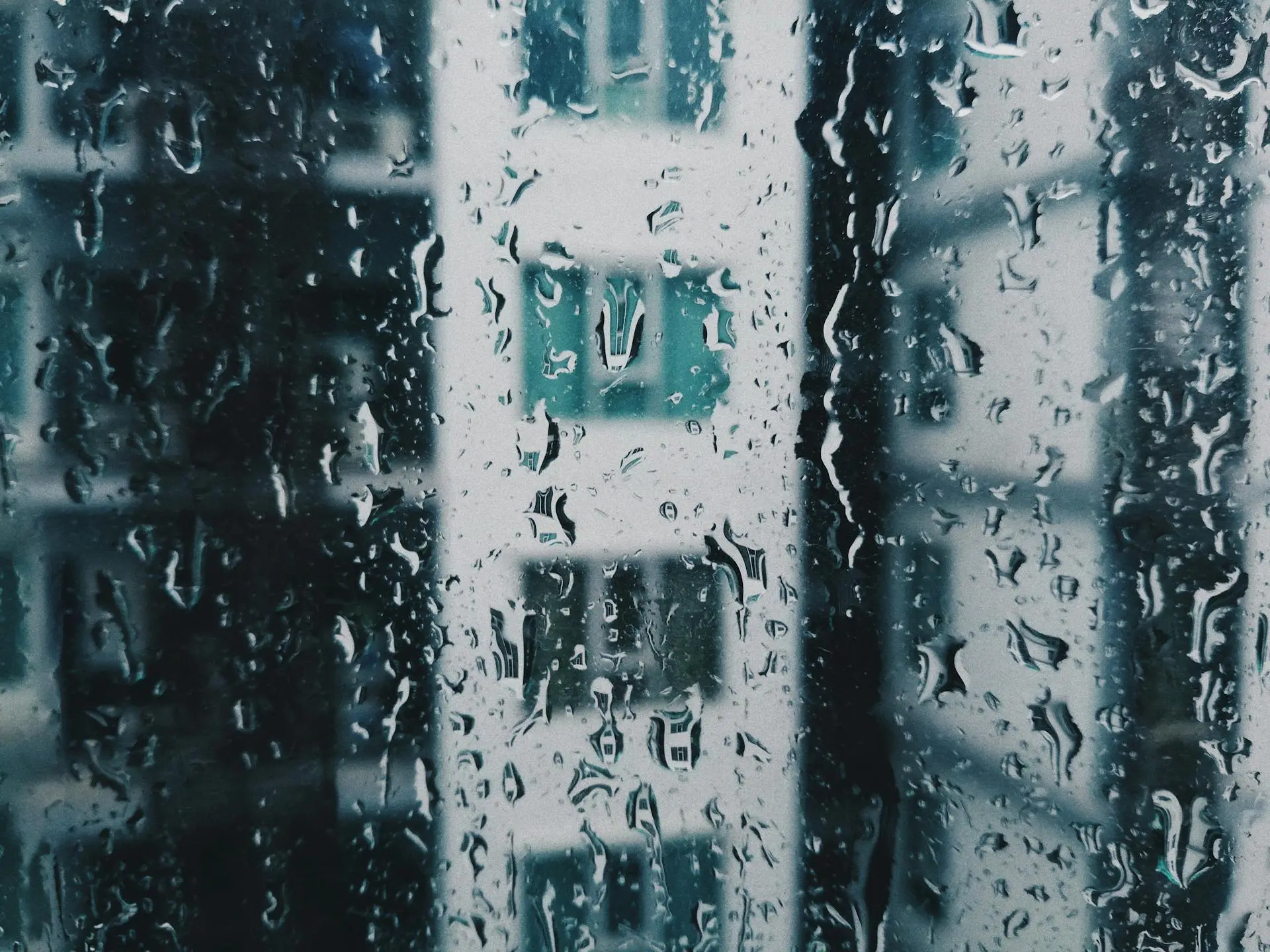
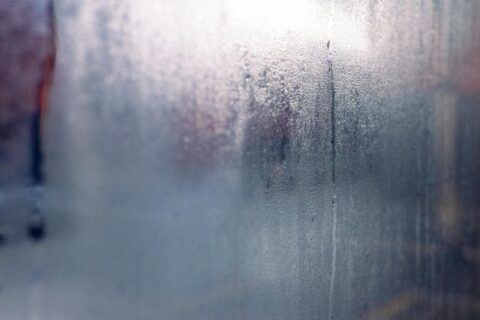
Condensation commonly appears when humid air comes into contact with cooler surfaces.
You may notice:
- fogged windows
- moisture droplets
- damp mirrors
- wet surfaces near windows
Frequent condensation often indicates elevated indoor humidity levels that may gradually contribute to mould growth and moisture accumulation.
If you are exploring broader indoor humidity management approaches, you may also refer to our guide on how dehumidifiers work to better understand how moisture removal systems help stabilise indoor environments.
3. Visible Mould Growth in Hidden Areas
Mould commonly develops in:
- corners with poor airflow
- behind furniture
- wardrobes
- bathrooms
- enclosed storage areas
Because mould thrives in damp environments, prolonged humidity often increases the likelihood of surface growth over time.
Dark spots or surface discolouration may appear gradually if moisture conditions remain unmanaged.
If you are looking for more detailed mould prevention strategies, you may also explore our guide on prevent mould Singapore homes.
4. Damp Clothing and Fabrics
Clothing, towels and fabrics may begin feeling damp or less fresh even when stored indoors.
This usually occurs because fabrics absorb moisture from humid air over time, especially inside enclosed wardrobes and storage areas.
Common warning signs include:
- clothing feeling cold or damp
- lingering odours
- moisture accumulation in fabric storage spaces
5. Peeling Paint and Surface Deterioration
Excess humidity may gradually affect:
- painted walls
- wooden surfaces
- furniture
- laminated materials
Over time, trapped moisture can contribute to:
- peeling paint
- bubbling surfaces
- warped materials
- moisture stains
These signs often indicate prolonged indoor humidity exposure rather than isolated moisture incidents.
6. Sticky or Uncomfortable Indoor Air
Rooms with elevated humidity often feel:
- warmer
- heavier
- less comfortable
- poorly ventilated
Even with fans or air-conditioning, humid air may still feel uncomfortable if excess moisture remains trapped indoors.
Larger dehumidifier Singapore solutions are commonly used in wider indoor spaces such as offices and living environments where continuous humidity reduction becomes more important.
7. Moisture Accumulation Inside Storage Spaces
Storage areas with limited airflow frequently experience humidity-related problems before other parts of the home.
Common examples include:
- wardrobes
- cabinets
- storage rooms
- enclosed shelving
Over time, excess moisture may contribute to:
- mould formation
- damp odours
- material deterioration
- condensation
If you are comparing humidity management approaches for enclosed environments, you may also explore our guide on refrigerant dehumidifier vs desiccant systems to better understand which approach is more suitable for different storage conditions.
What To Do If You Notice These Warning Signs
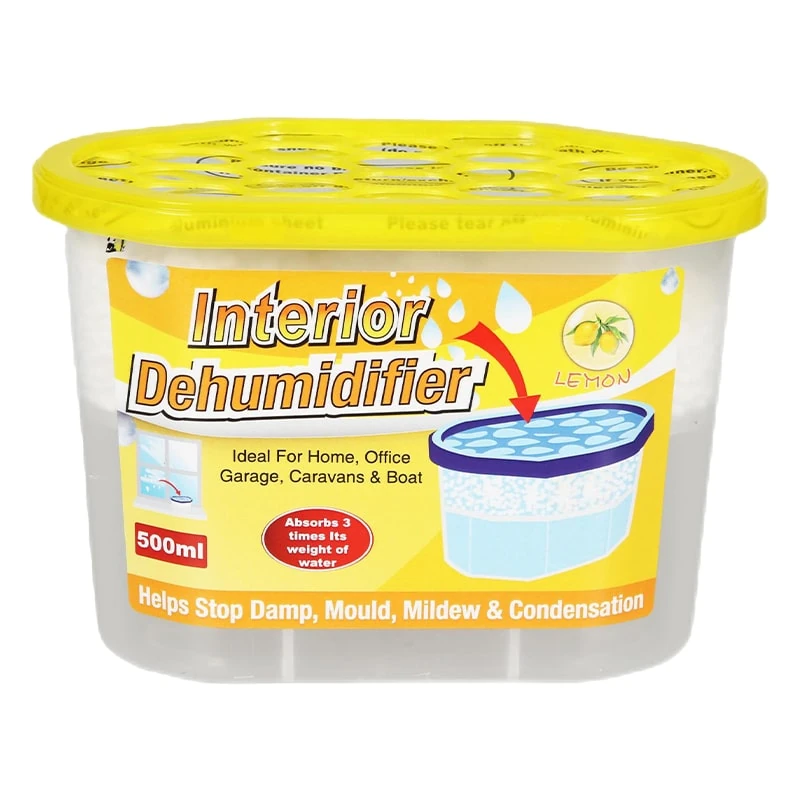
Identifying humidity problems early helps prevent more serious moisture-related issues from developing over time.
If you notice several of the warning signs discussed above, it may be worthwhile to:
- improve ventilation where possible
- monitor humidity-prone areas more closely
- reduce sources of trapped moisture
- consider suitable humidity control solutions for the affected environment
The most appropriate approach often depends on factors such as room size, airflow conditions and whether the humidity issue occurs in a larger living space or an enclosed storage area.
For wardrobes, cabinets and other compact environments, a portable moisture management solution may provide more targeted humidity control where broader room-wide systems are unnecessary.
When To Take Action Against High Humidity

A single humidity-related symptom may not always indicate a serious moisture problem. However, when multiple warning signs begin appearing at the same time, indoor humidity levels may require closer attention.
Common examples include:
- musty odours together with damp fabrics
- recurring condensation on windows
- visible mould growth in enclosed spaces
- persistent moisture build-up inside wardrobes or cabinets
Addressing humidity issues early often helps reduce the likelihood of mould growth, material deterioration and long-term moisture-related damage.
At WholesaleSupplies.sg, we provide practical humidity control solutions designed to help reduce moisture-related issues across homes, offices and storage environments in Singapore. If you are exploring suitable moisture management options for your home or workplace, you may browse our moisture absorbers and disposable dehumidifiers to compare products designed for different operational and residential environments.
Final Thoughts
The signs of high humidity often develop gradually, making them easy to overlook until moisture-related issues become more noticeable over time.
Persistent odours, condensation, damp fabrics and mould formation may all indicate elevated indoor humidity levels that require more effective moisture management.
Maintaining more stable indoor humidity helps reduce mould growth, improve comfort and protect materials from long-term moisture-related deterioration.
Every environment experiences humidity differently. If you need help selecting a suitable moisture management solution for your home, wardrobe or storage space, feel free to contact us via WhatsApp for practical recommendations based on your specific requirements.